Table of Contents
- The Real Reason This Happens (It's Not Always Price Gouging)
- The 7 Reasons Quotes Vary — And Which Ones Are Red Flags
- How to Decode Any Quote You Receive
- The Questions That Separate Honest Contractors From Bad Ones
- How to Know If a Quote Is Actually Fair
- What Match2Fix Was Built to Solve
- Frequently Asked Questions
Getting three quotes for a home repair and finding that they're all the same price is the exception, not the rule. It's normal for quotes to vary by 20–30%. A variation of 3x or 10x for the same described job is a different story — and understanding why it happens is the only way to protect yourself from being on the wrong end of it.
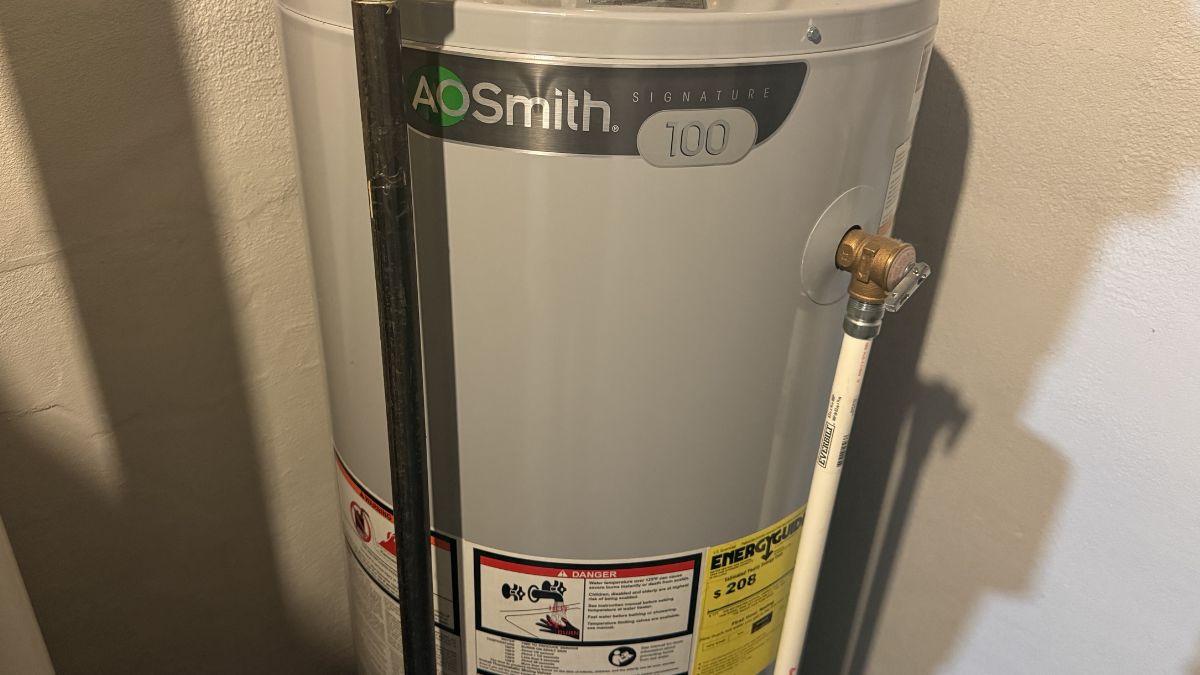
Match2Fix exists because of this exact problem. The founder used the app to research what her specific water heater replacement should cost — and when the first quote came in, she knew immediately it was too high. She saved over $1,000 by having that number before the conversation started. That's the whole idea: knowledge is leverage, but only if you have it before someone is standing in your home with a quote pad.
The Real Reason This Happens (It's Not Always Price Gouging)
Before we get into red flags, it's worth being honest about something: not every wide quote spread is dishonest. The home repair market has no standardized pricing. There's no rate card, no industry tariff, no rule that says a water heater installation costs X. Every contractor sets their own prices based on their own costs, their own read of the market, and their own judgment about what the job requires.
That means two contractors can look at the exact same repair and arrive at genuinely different numbers — both in good faith — because they're scoping it differently, using different materials, or have different overhead structures. The $1,500 quote might include things the $800 quote quietly left out. The $800 quote might be from a sole proprietor with minimal overhead who does excellent work. Or the $1,500 quote might include padding that evaporates if you push back.
The point isn't to assume the lower quote is honest and the higher one isn't. The point is to understand why they're different — and that requires knowing enough about what the job actually involves to ask the right questions.
The 7 Reasons Quotes Vary — And Which Ones Are Red Flags
1. The Scope of Work Is Different
Legitimate or red flag: Legitimate — but requires clarification.
This is the most common reason for quote variation, and it's not always obvious. A quote that seems low might simply be quoting less work. Common scope differences that create significant price gaps:
- One contractor includes hauling away the old equipment; another expects you to handle disposal
- One includes permits; another assumes you'll pull them yourself (or skips them entirely — more on this below)
- One includes restoring whatever was disturbed (drywall patch, tile reset, paint touch-up); another considers that a separate job
- One is quoting the minimum viable repair; another is quoting the complete fix including related issues they noticed
Before comparing any two quotes on price, make sure they're quoting the same scope. Ask each contractor: "What exactly is included in this number, and what is explicitly not included?"
2. Material Quality Differs
Legitimate or red flag: Legitimate — but you should know what you're getting.
A water heater installation quoted at $900 and one quoted at $1,600 might both be fair — if the first uses a builder-grade tank with a 6-year warranty and the second uses a premium model with a 12-year warranty. Same job, legitimately different prices because the product is different.
The problem is when a contractor quotes vaguely — "water heater installation, $1,400" — without specifying the brand, model, size, or warranty. You're essentially being asked to sign a blank check for materials. Always ask: "What specific unit are you installing, and what's the warranty on parts and labor?"
Contractors typically mark up materials 20–35% above what they pay — this is normal and covers sourcing, storage, and the risk of standing behind the installation. It's not hidden if they're transparent about it. What's not normal: charging a 20–35% markup on materials and quoting the materials at retail price as the starting point. Ask for the model number, look it up yourself, and you'll know immediately whether the materials cost is reasonable.
3. Overhead and Business Structure
Legitimate or red flag: Legitimate.
A large HVAC company with a fleet of vans, a dispatch team, a marketing budget, and full employee benefits is going to cost more per job than a solo plumber who works alone and keeps his overhead at zero. Neither is wrong. The large company may offer better scheduling, a warranty department, and accountability if something goes wrong. The solo operator may do equally good work for less money and be available by phone any time.
Regional labor rates also vary significantly — the same repair in suburban Philadelphia costs meaningfully more than the same repair in rural Indiana. A quote that seems high compared to something you found online may just reflect local market rates. Conversely, a quote that seems low for your area warrants a closer look at what's being cut.
4. The Contractor Is Busy (Or Isn't)
Legitimate or red flag: Legitimate, but useful to understand.
Contractors price based on demand. A plumber who's booked three weeks out doesn't need your job urgently — their quote reflects that. A contractor who's slow might price more aggressively to win work. Neither is dishonest, but it means you'll generally get better prices when you're not in an emergency, and when you're not asking for the job to happen immediately.
This is one of the most practical arguments for doing basic diagnostics before calling anyone. When you know what's wrong, you can make an informed decision about whether it's a "call someone today" emergency or a "schedule this for next week and get multiple quotes" situation. That timing alone can significantly change what you pay.
5. The Contractor Skipped the Permit
Legitimate or red flag: Red flag.
Many home repairs require permits — water heater replacements, electrical panel work, HVAC installations, structural changes. Permits exist to ensure the work is inspected for code compliance and safety. A contractor who's not including permit costs in their quote may be planning to skip the permit entirely.
An unpermitted repair can cause serious problems: your homeowner's insurance may refuse to cover damage related to unpermitted work, you may be required to undo and redo the work when you sell, and you have no official record that the job was inspected and done safely. The permit fee is real money — often $50–$300 depending on the jurisdiction and job type — but it's not optional for work that requires it.
Ask every contractor: "Does this job require a permit in this municipality, and is the permit fee included in your quote?"
6. The Contractor Is Padding the Diagnosis
Legitimate or red flag: Red flag.
This is where it crosses from legitimate pricing differences into something else. A contractor who diagnoses additional problems that weren't part of your original call — and quotes to fix all of them in the same visit — may be correct. Or they may be padding. The difference:
- A legitimate add-on: "While I was replacing your thermocouple, I noticed your flue pipe has a small separation that could be a CO risk. Here's what that would cost to address." They show you the problem. You can see it. The repair makes sense.
- A padding red flag: "There are several things wrong with this system that I should address while I'm here." Vague, no specifics shown to you, pressure to approve on the spot.
You always have the right to say: "Show me what you're seeing, and give me a written itemized quote before I approve anything beyond the original job." A legitimate contractor will do this without hesitation.
7. The Contractor Is Pricing What They Think They Can Get
Legitimate or red flag: Technically legal. Ethically murky. Practically, this is why you get quotes.
Some contractors price based on the customer in front of them as much as the job itself. An emergency call, an anxious homeowner, a visible signs of a high-value home — these cues can push a quote significantly higher. It's not illegal. But it's also not the same price you'd get if you walked in informed, calm, and armed with what the repair actually costs.
This is the version of pricing variation that Match2Fix was specifically built to address. When you know what your repair should cost before anyone shows up, you change the dynamic of that conversation entirely.
How to Decode Any Quote You Receive
A quote is only as useful as what's inside it. Here's what every legitimate quote for a home repair should contain — and what to do when it doesn't.
What Should Be Itemized
- Service call / diagnostic fee: The cost for the contractor to show up and assess the problem. Should be stated clearly, and on most repair jobs, credited toward the total if you proceed.
- Parts cost: Specific parts, model numbers where applicable, and ideally the cost of each part. Materials markup of 20–35% is normal; knowing the baseline lets you evaluate it.
- Labor cost: Either an hourly rate with an estimated time, or a flat rate for the job. Both are acceptable — flat rate is actually preferable for most repairs because it removes the incentive to work slowly.
- Permit fees: If the job requires one, it should appear here as a line item, not buried in overhead.
- Disposal / cleanup: Removing old equipment, materials, or debris is real cost. If it's included, it should say so. If it's not, you should know.
- Warranty on parts and labor: How long is the repair guaranteed? What happens if it fails in six months?
What to Do With a Lump Sum Quote
If a contractor hands you a single number with no breakdown — "water heater replacement, $1,800" — that's not necessarily a scam. Some contractors price by the job rather than by line item. But it does mean you need to ask for the breakdown before signing anything. A straightforward request: "Can you walk me through what makes up that number?" A legitimate contractor will answer this clearly. If the response is vague or defensive, that tells you something.
The Scope Comparison Test
When you have multiple quotes in hand, go through them side by side and confirm each one answers the same questions: Same job? Same materials quality? Permit included? Disposal included? Warranty terms? You may find that two quotes that look far apart are actually much closer once you account for scope differences — or you may find that the cheapest quote is cheap because it's missing three things the others include.
The Questions That Separate Honest Contractors From Bad Ones
These questions aren't a gotcha — they're reasonable things any homeowner should ask, and any legitimate contractor will answer without hesitation. The ones who get evasive or irritated are telling you something important.
- "Can you walk me through what's included in this quote, line by line?" If they can't or won't do this, stop.
- "What specific part or unit are you installing, and what's the warranty?" Vague answers here ("a good quality unit") are a yellow flag.
- "Does this job require a permit, and is that included?" If they say it doesn't require one and you have reason to believe it does, verify with your municipality directly.
- "What's your warranty on parts and labor if something fails after the repair?" Reputable contractors stand behind their work, typically for 1 year on labor and the manufacturer warranty on parts.
- "What could add to this cost once the job is underway?" Honest contractors will flag known unknowns upfront — "if we open the wall and find X, that would be additional." That's reasonable. "We won't know until we get in there" with no specifics is a change order setup.
- "Are you licensed and insured in this state?" This is not an offensive question. It's basic due diligence. A contractor working on gas lines, electrical systems, or structural elements without a license is a liability risk for you.
How to Know If a Quote Is Actually Fair
The Three-Quote Benchmark
For any repair over $300, get at least three quotes. Not because the cheapest is necessarily the right one — it isn't — but because three quotes give you a picture of the market. When two quotes cluster near each other and one is far outside that range in either direction, you have information: either the outlier is missing scope, or they're padding it, or something else is going on worth understanding before you sign.
The pattern to look for: if two out of three quotes are within 15–25% of each other, that's probably the real market rate for the job. A quote that's dramatically lower should prompt the question "what's missing?" A quote that's dramatically higher should prompt "what's included that the others aren't?"
Know the Baseline Before Anyone Arrives
The most effective thing you can do is understand what your specific repair should cost before the first contractor walks through the door. Not a generic national average — those are almost useless for evaluating a specific quote — but a specific cost range for your specific problem, your specific equipment, and your local market.
This is exactly what Match2Fix is built for. When you know going in that a thermocouple replacement on a 7-year-old gas water heater should run $100–$300 in your area, you can evaluate a $600 quote instantly. When you don't know that, you're making a decision in the dark, under time pressure, with someone standing in your home waiting for an answer.
The 50% Rule for Major Repairs
When a repair quote starts approaching the cost of replacement, use this benchmark: if the repair exceeds 50% of what a new replacement would cost, and the existing system is more than halfway through its expected lifespan, replacement is almost always the smarter financial decision. You get a new system with a full warranty instead of patching an aging one with no guarantee the next thing won't fail in six months.
Contractors who push expensive repairs on old systems without discussing this tradeoff are, at best, not giving you the full picture.
Red Flags That Should Stop the Conversation
- "This price is only good today." Legitimate diagnoses don't expire. This is a sales tactic designed to prevent you from getting a second opinion. Walk away and get the second opinion.
- The contractor can't explain what's wrong in plain language. If they can't tell you what failed and why, they either don't know or they're hoping you won't ask. Either way, you don't want them doing the repair.
- Pressure to approve additional work on the spot without a written itemized quote for the additions. "While I'm here I should also..." requires the same scrutiny as the original job.
- No license or insurance when asked directly. Not worth the risk. An uninsured contractor doing damage in your home leaves you with no recourse.
- Significant upfront payment required before work begins. A deposit of 10–30% for materials on a larger job is reasonable. Requiring 50% or more upfront before a single tool is picked up is a warning sign.
- No written quote — only verbal. Verbal agreements in home repair are worth nothing when something goes wrong. Always get it in writing before anyone starts work.
What Match2Fix Was Built to Solve
The contractor quote problem isn't really a contractor problem. Most contractors are running legitimate businesses and pricing the way they've always priced. The problem is informational — homeowners walk into these conversations without knowing what the repair involves, what it should cost, or what questions to ask. That information asymmetry is what makes it possible to charge $4,000 for something that costs $400 to do correctly.
Match2Fix was built to close that gap. Not to replace contractors — skilled tradespeople do essential work, and most of them do it honestly. But to give homeowners the same baseline understanding of their repair that a contractor has, before anyone shows up with a quote pad.
When you know what's wrong, you can research what it should cost. When you know what it should cost, a $4,000 quote for a $400 repair is obvious rather than invisible. That's the whole point.
Know what your repair should cost before anyone arrives
Add a few photos, describe your symptoms, and Match2Fix tells you what's likely wrong and what it should cost to fix — in 30 seconds, with no sales pitch and no spam.
Get Your Free Diagnosis →Frequently Asked Questions
How many quotes should I get for a home repair?
For any repair over $300, get at least three. For major repairs over $1,000 — HVAC replacement, roof work, electrical panel upgrades — three quotes is the minimum and four or five isn't excessive. The goal isn't to find the cheapest; it's to understand the real market rate for the job so you can evaluate any quote against something concrete. Two quotes that cluster together tell you more than ten quotes that have nothing in common.
Is the lowest quote always the worst choice?
No — and assuming it is costs homeowners real money. The lowest quote might be from a solo operator with low overhead who does excellent work. It might reflect a more efficient process. Or it might be missing scope, using inferior materials, skipping permits, or planning to hit you with change orders once the job is underway. The question isn't whether the quote is low — it's whether you can account for the difference. Ask the low-quote contractor the same questions you'd ask anyone: what's included, what's the material spec, does it require a permit, what's the warranty? If they answer clearly and the scope matches the higher quotes, lower overhead and a competitive price are genuinely good reasons to hire them.
What's a reasonable markup on materials?
20–35% is the industry norm for materials markup, which covers a contractor's time sourcing the parts, the administrative cost of purchasing, and the risk of standing behind the installation. This is standard and legitimate. What's not standard: quoting materials at retail price as the starting point and then applying a markup on top of that. If you want to check, ask for the specific model number of whatever is being installed, look up the retail price yourself, and you'll immediately know whether the materials line item is reasonable.
Can I negotiate a contractor's quote?
Sometimes, but the framing matters. Asking a contractor to simply lower their price rarely works — they priced the job based on their actual costs, and pushing for a discount without context can just offend them. What works better: asking whether there are ways to adjust the scope or materials to bring the price down, or letting them know you have a competing quote and asking if they can be competitive. Being transparent — "I have another quote at $X, is there anything you can do?" — is more effective than just haggling, and gives them something specific to respond to.
Do I need a permit for my repair, and how do I find out?
The fastest way is to call your local building department — they're listed on your municipality's website — and describe the job. They'll tell you whether it requires a permit and what the fee is. Work that commonly requires permits: electrical panel work, new circuits, water heater replacement, HVAC installation, structural changes, plumbing rough-in. Work that typically doesn't: replacing a fixture, swapping a water heater like-for-like in some jurisdictions, most cosmetic repairs. Requirements vary significantly by municipality, so look up your specific location rather than relying on what a contractor tells you.
What should I do if a contractor pressures me to decide on the spot?
Don't. A legitimate repair diagnosis doesn't expire overnight. "This price is only good today" is a sales tactic designed to prevent you from getting a second opinion — which is exactly what you should be doing for any significant repair. Thank them for their time, tell them you need to review the quote, and call someone else. If the pressure continues or they become aggressive, that's more information about whether you want them in your home. The right contractor for your job will still be available tomorrow.
What's the difference between a quote and an estimate?
A quote is a fixed price for a defined scope of work — if you agree to it, that's what you pay, barring genuine unforeseen circumstances that are disclosed to you before work continues. An estimate is a range or approximation, typically used when the full scope can't be determined until work begins (opening a wall, for example). Estimates can legitimately change; quotes shouldn't change without a written change order you approve in advance. Always clarify which one you're receiving — and for straightforward repairs with visible problems, a quote rather than an estimate is reasonable to ask for.
Get instant answers about your home repairs
Describe your problem and Match2Fix tells you what's likely wrong and what it should realistically cost to fix — so you walk into every contractor conversation with leverage. No spam, no sales pitch. Just honest answers.
Try Match2Fix Free